Becoming a Blank Canvas
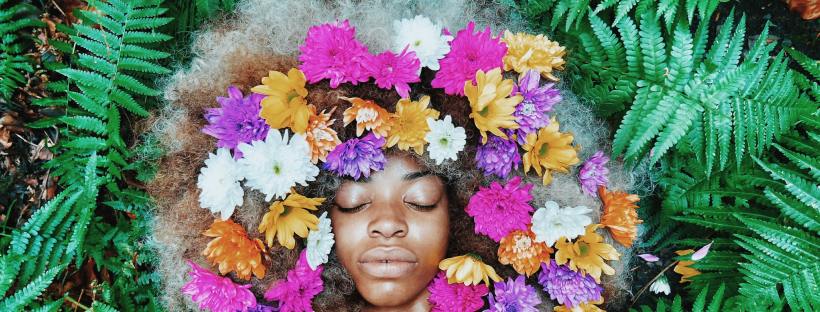
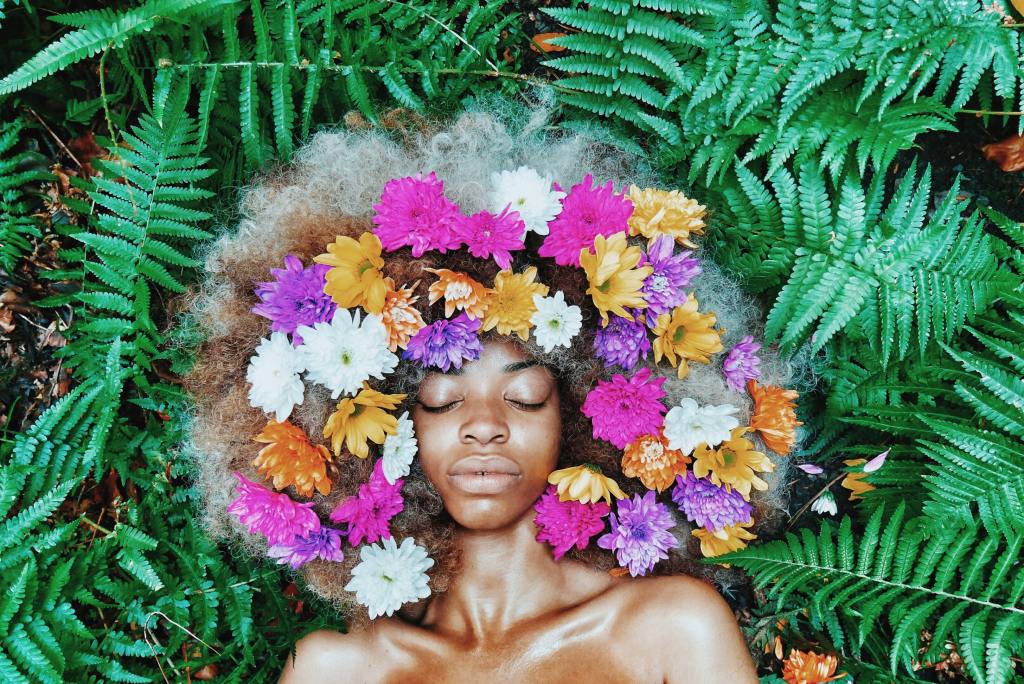
Identity can describe what a person is or who they are. Some people claim their personal identities by their clothes, the music they listen to, their job, or what they like to do. As a little girl, my identity was my hair.
In Catholic school, I was constantly questioned and ridiculed about my hair. “Why isn’t it straight?” “Do you ever wash it?” There was even the time the principal sent a note home to say that my hair didn’t fit the dress code. Even though we all wore the same blue uniforms and same blue ribbons in our hair, I was “different.” My hair curled upwards towards the sky instead of laying down in a ponytail against my back.
In middle school, like many other Black teenagers, I went through the female rite of passage—the first relaxer. Walking into the salon was a change from sitting in the family room as my mother carved intricate designs into my hair with her comb and fingers. I sat in the waiting room watching the older Black women under the dryer as they read Essence magazine. When my time came, I sat in the chair. A woman with long, pink nails unleashed my hair from an elastic band, slathered relaxer on my tresses, and said, “You’re going to have some pretty hair when I’m done.”
Straight hair was fun for about two minutes. I was really into old seventies films and wished that my hair could be as pretty as Pam Grier’s. I looked at my hair and wondered if I could get it to curl ever again. Almost immediately after getting my relaxer I began rolling my hair in tiny red and blue perm rods every night. In the morning, I would take out the rods, resulting in what looked like a textured afro. It took just about to the end of my junior year of high school to grow out my relaxer.
I was enrolled in cosmetology school in 1999. In class, teachers talked about Black hair in its natural state as something they’d “never wear like that in public.” I had students and teachers offering me some type of chemical service just about every day. After receiving my license and graduating, I went out into the working world.
Although I didn’t have a hard time getting hired because of my portfolio, I received differential treatment from customers. When I had to do a blow-dry service, the white women would emphasize the word “straight.” No one—not even the other Black girl I worked with—understood why any Black woman would choose to wear her hair natural. I wore my afro out anyway, until I answered the phone one day when the receptionist was out sick. The woman on the other end asked about“that colored girl with the Brillo hair.” I knew she meant me. “Colored.” I never imagined I’d hear that word except in movies. But now I had heard it in real life, and I had to question whether my personal hair crusade was enough for me to endure being called something worse than colored.
I spent months surrounded by the unhappiness caused by other people’s opinions until I decided to just shave my head. I felt I couldn’t be myself because I had to be the non-stereotype, the testament and credit to my race. But whatever I did, with my hair I was always going to be that black girl with the Brillo hair.
Why did my hair matter so much? Everything else about me was just as preppy and “American” as the people around me. I just wanted to be an individual—not a race, gender, hairstyle, or collection of likes, dislikes, and favorite movies.
Fuck it. One day, I picked up the clippers, removed the guard, and shaved all the hair off my head. When I was finished, I inspected the shape of my ears, the curve of my head, the thickness of my nose and lips. It was me without a strand of hair to hide behind. I felt like I had disappeared, become background; now, people could push and brush against me as though I weren’t even there.
But my invisibility didn’t last long. When I took the PATH train to New York for a school assignment, men with dreadlocks responded to me as metal does a magnet. I received a head nod and a simple, “You’re beautiful my sister.” It was uplifting. So different from suburban Jersey where I could only aspire to be pretty “for a black girl.” Just an uncomplicated statement that I was heard and understood.
Although I had thought that my natural hair was my identity, shaving my head allowed me to find myself. I was able to connect with others beyond what was going on with my hair. Being bald forced others to see me and learn my other attributes. Becoming a blank canvas is something I had to experience and comprehend, before telling the world, “Hello.”
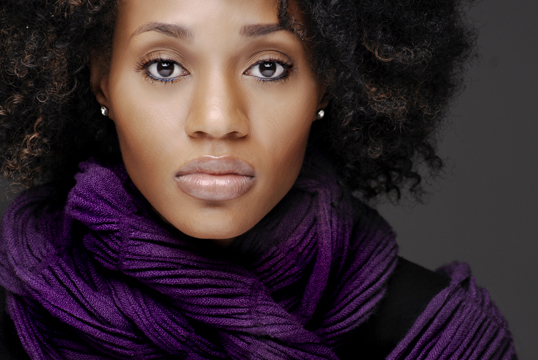
Pietra Dunmore writes creative non-fiction, short stories, and poetry. Her writing has appeared in Pine Hills Review, The Intersection, Hippocampus Magazine, The Journal of New Jersey Poets, Rigorous, and Human Parts.
IG, FB, and Twitter: @pietradunmore
 Causeway Lit
Quite a drastic decision to obtain the desire result. Interesting story.
LikeLike